ByAlyssa Clough,Photography byBelle Morizio,Styling byMolly Velte
PublishedApr 25, 2026 5:20 AM EDT
Get Domino's Good Stuff in Your Inbox
By signing up, you swear you're 16+, you're cool with us sliding into your inbox with newsletters and promos, and you've made peace with our Terms of Use and Privacy Policy. Bail whenever you want—we won't take it personally.
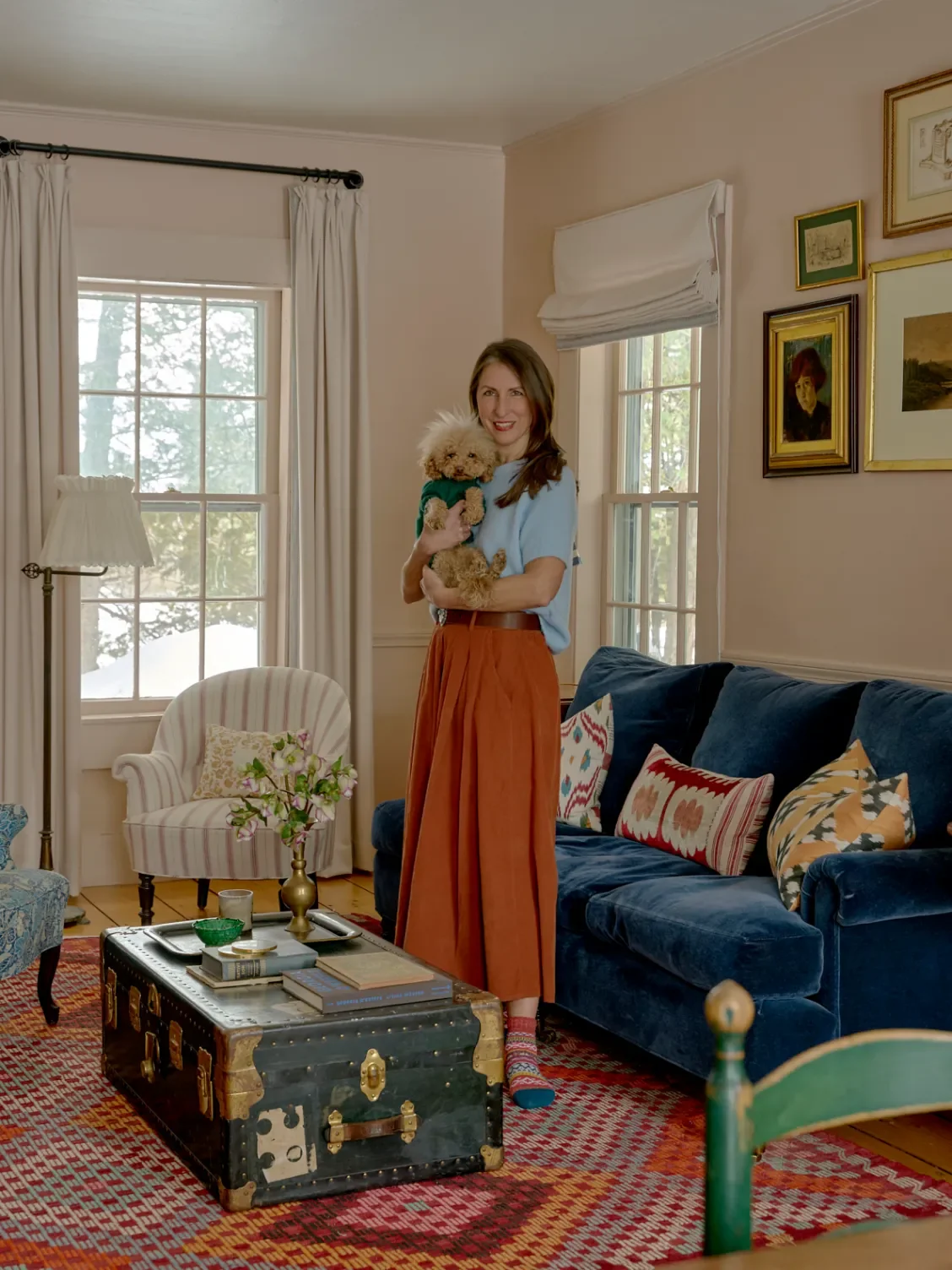
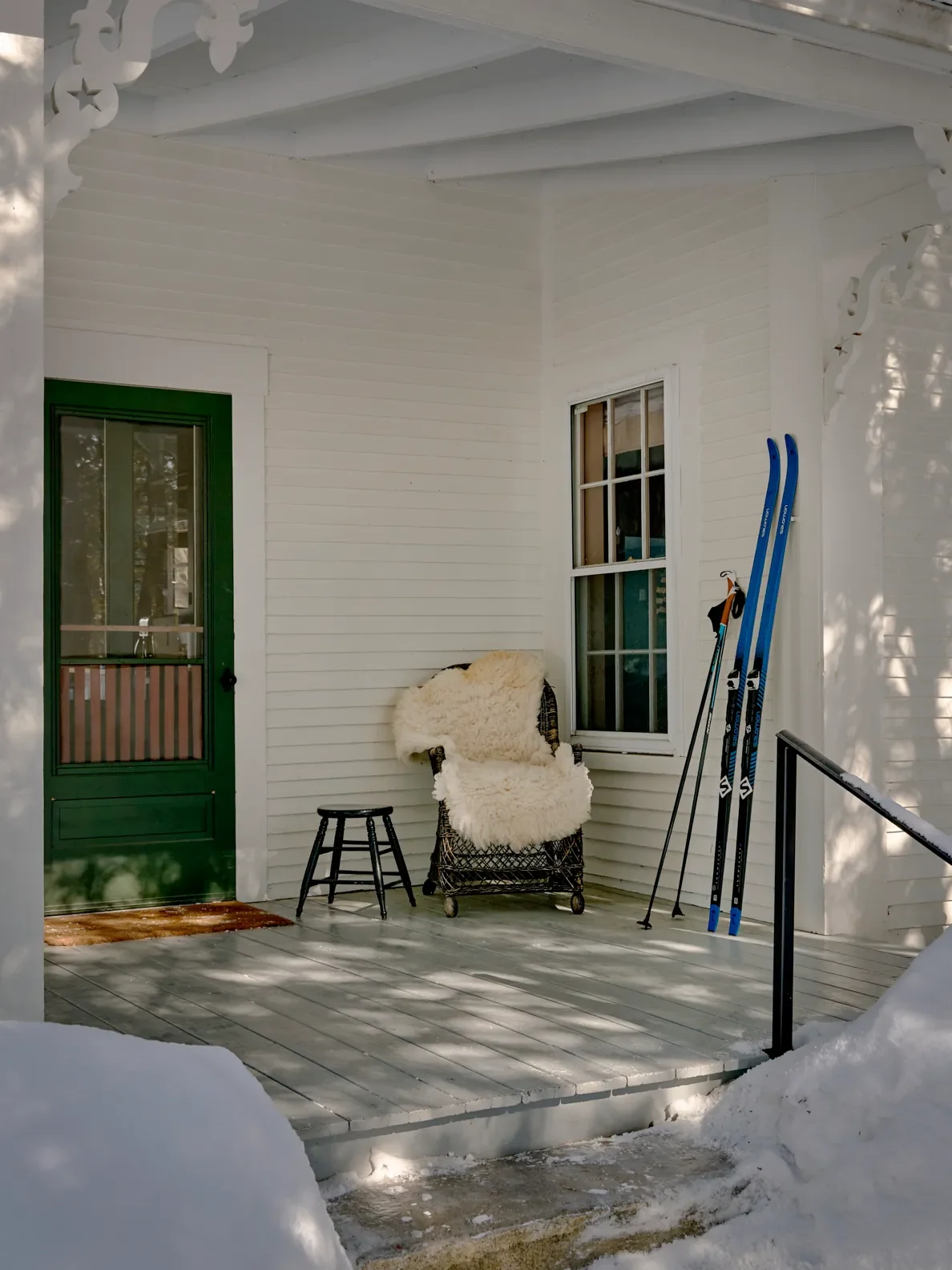
Standing in a dirt driveway bidding against a pair of sisters on a foreclosure isn't how most people score their dream home. But it's how Julia Noran Johnston, founder of Domino's sister publication,Business of Home, landed hers. The 1860s farmhouse had a lot going for it, even after four years of sitting empty: it was in a bucolic corner of Vermont, had lake access, and—this was key—it was old. "We don't buy anything that's not super old," says Johnston, a self-described antiques hound. Finally, someone with a buying strategy we can relate to.
The home had a serious pedigree, with just three prior owners, including descendants of the founders of the Cranbrook Academy of Art as well as a family who had left behind troves of furnishings and objects. It's basically the real estate equivalent of adopting a shelter dog that turns out to be a purebred.
The home had serious pedigree—just three prior owners, including descendants of the founders of the Cranbrook Academy of Art, plus a family who left behind troves of furnishings and objects. Basically, the previous owners had exquisite taste and left all the good stuff. Jackpot.
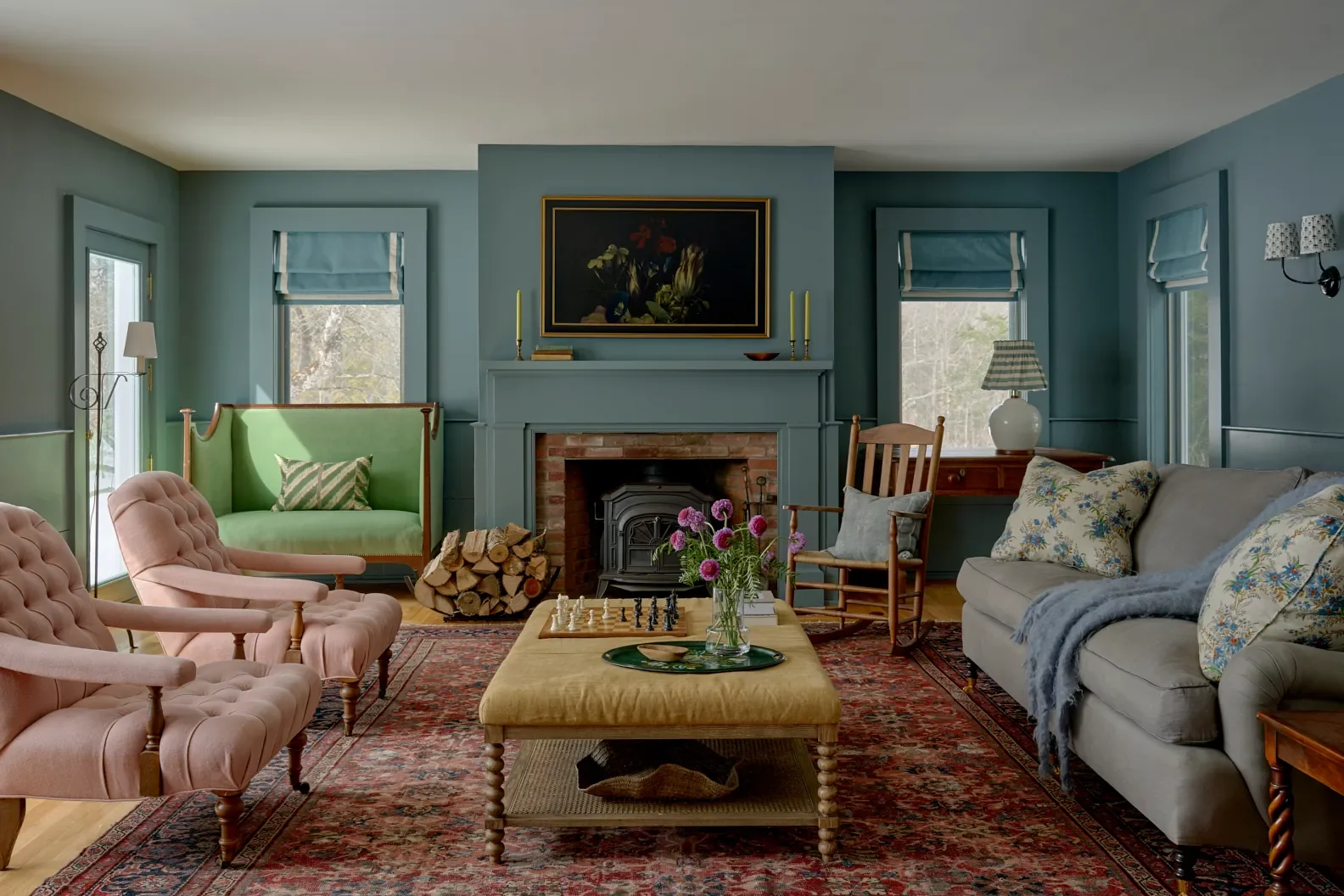
There was a hitch, as there always is with foreclosures: Johnston and her husband couldn't get a look at the interiors except by peeking through the windows (and using their imaginations, which, let's be honest, probably included a few nightmare scenarios). The auction was tense, but once they were declared the new owners, everything simmered down. "We got to walk through the house that day and it was amazing," she recalls, noting the original wide-plank pine flooring and windows. "It was really spacious and obviously needed a decent amount of work, but it was in good, solid shape." Translation: the bones were great, the face needed work.
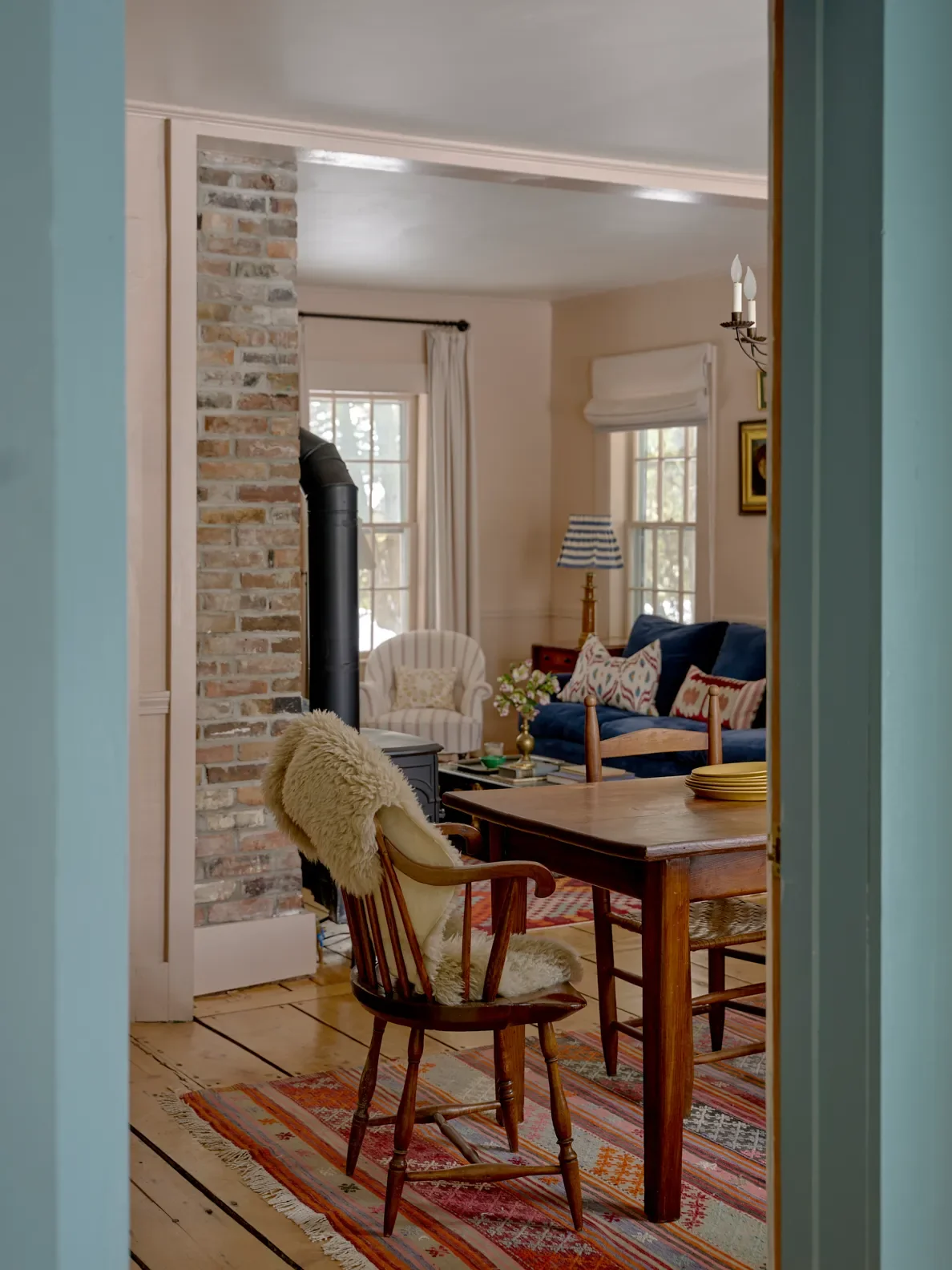
Nine months later, they were hosting family for Christmas—because nothing says "holiday spirit" like a renovation deadline. The holiday served as a deadline to finish the "first draft" of the home, but it would take another year to fully bring Johnston's vision for the seven-bedroom, three-and-a-half bathroom farmhouse to life. "It looks humble and unassuming, and then you walk in and it just rambles and rambles," Johnston says. A house that keeps going and going—basically the Energizer Bunny of farmhouses.
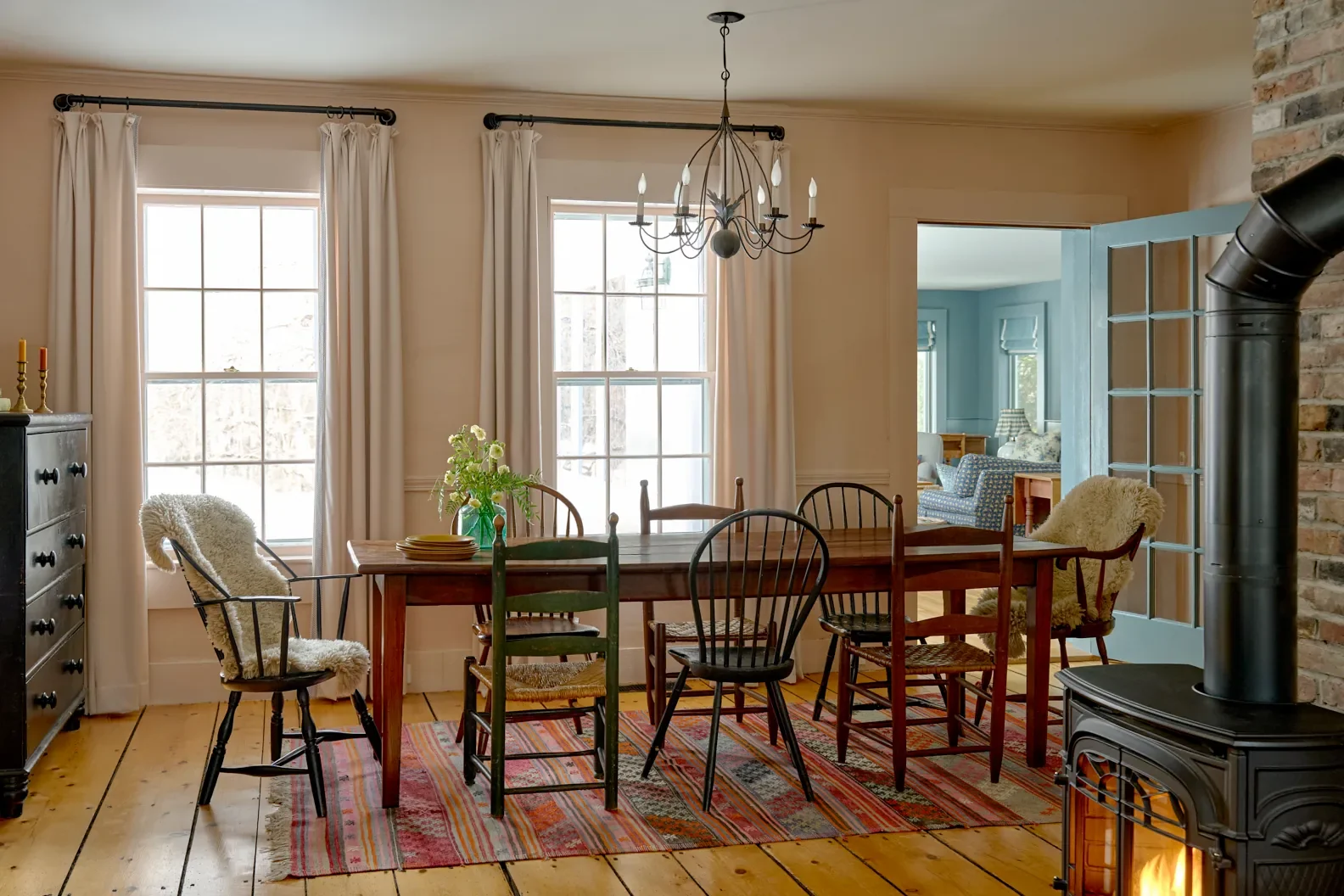
Being a steward of old houses is something Johnston takes seriously; the maintenance and complications aren't just expected, they're welcomed like that one eccentric aunt who always shows up unannounced. The last owners, who purchased the property in the '90s, "did the really hard renovations" as she put it, like adding proper plumbing and electrical (heroic). They also built two additions in a U-shape, which Johnston thought was excessive for her family. To let in more light and offer a grander view, as well as pare back on square footage, she had one of the new wings demolished. That's right—she literally tore down part of the house. Minimalism, but make it architectural.
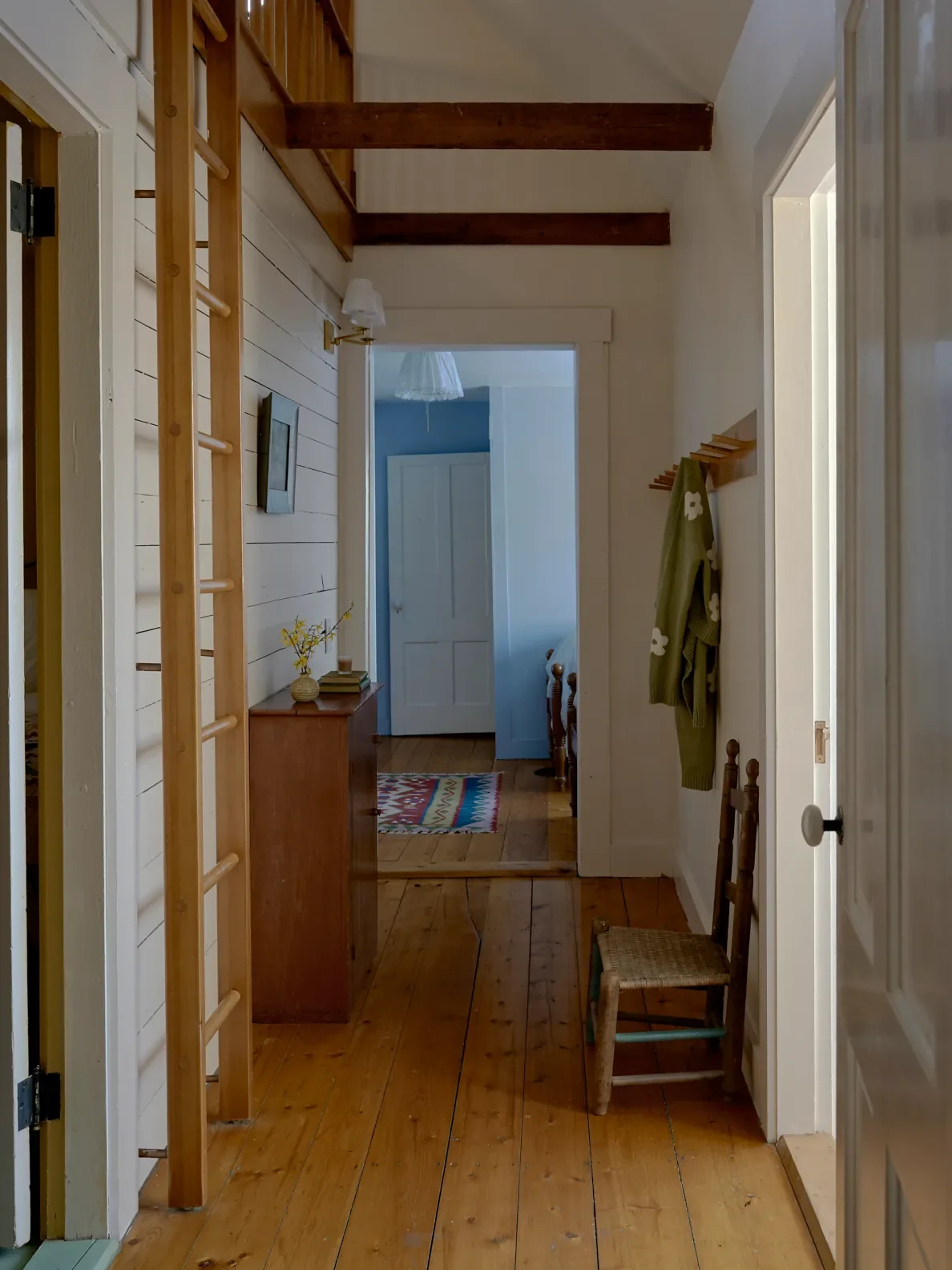
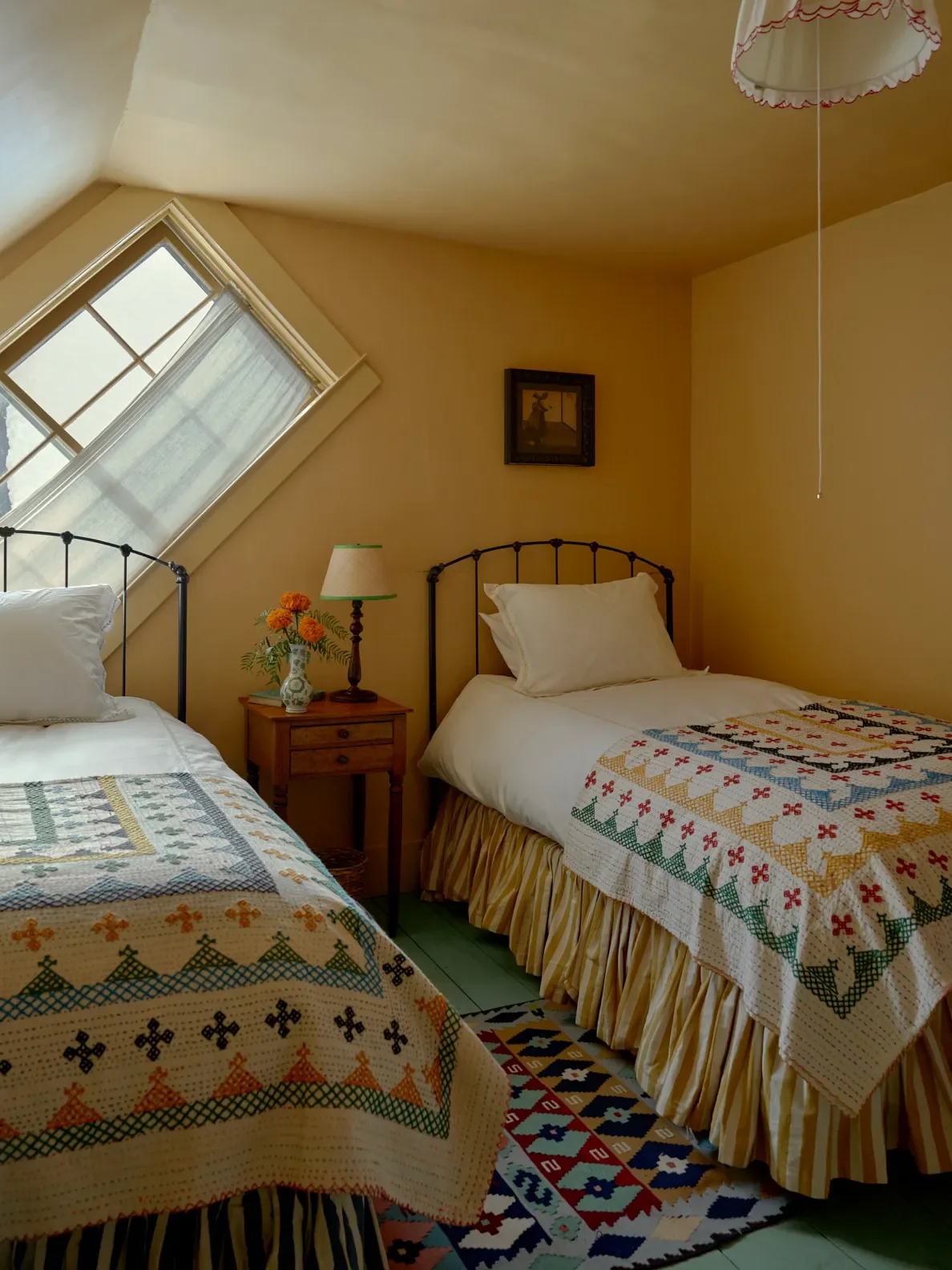
Other architectural quirks proved to be fun challenges for her. One was the slanted witch window in one of the bedrooms, which needed a custom dressing (yes, "witch window" is a real thing and no, it's not haunted—probably). After loads of research, Johnston called in reinforcements, booking a session on The Expert with designer Hadley Wiggins, who suggested a quick grommet solution. In the end, Johnston landed on a temporary-turned-permanent treatment of two stretch rods and fabric panels from an Etsy maker. Another obstacle: Johnston learned that if you remove really old wallpaper from really old plaster, the whole shebang is at risk of crumbling. So the kids' rooms and upstairs bedroom were plastered and painted over from the start. Sometimes the best renovation move is... not renovating.
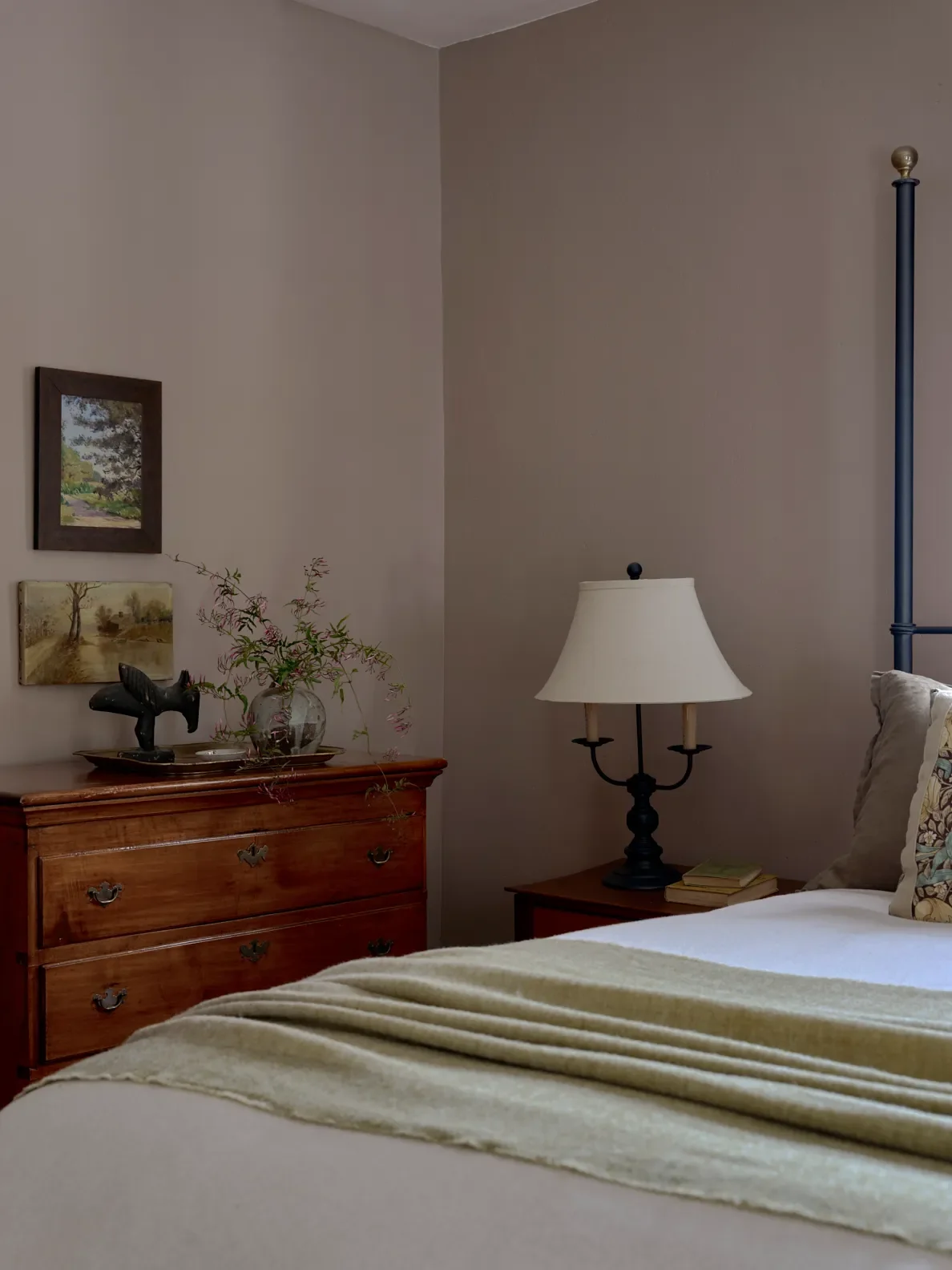
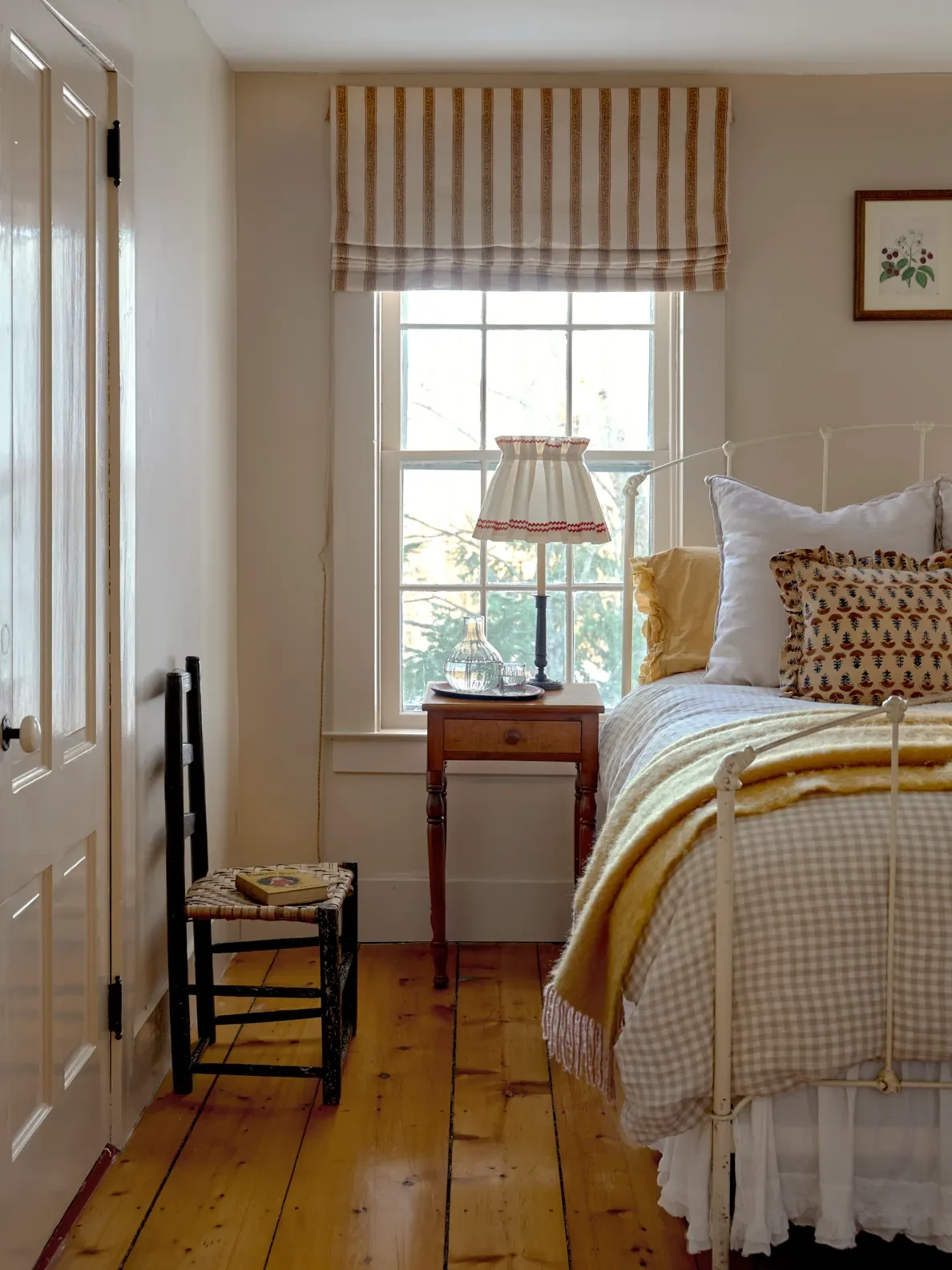
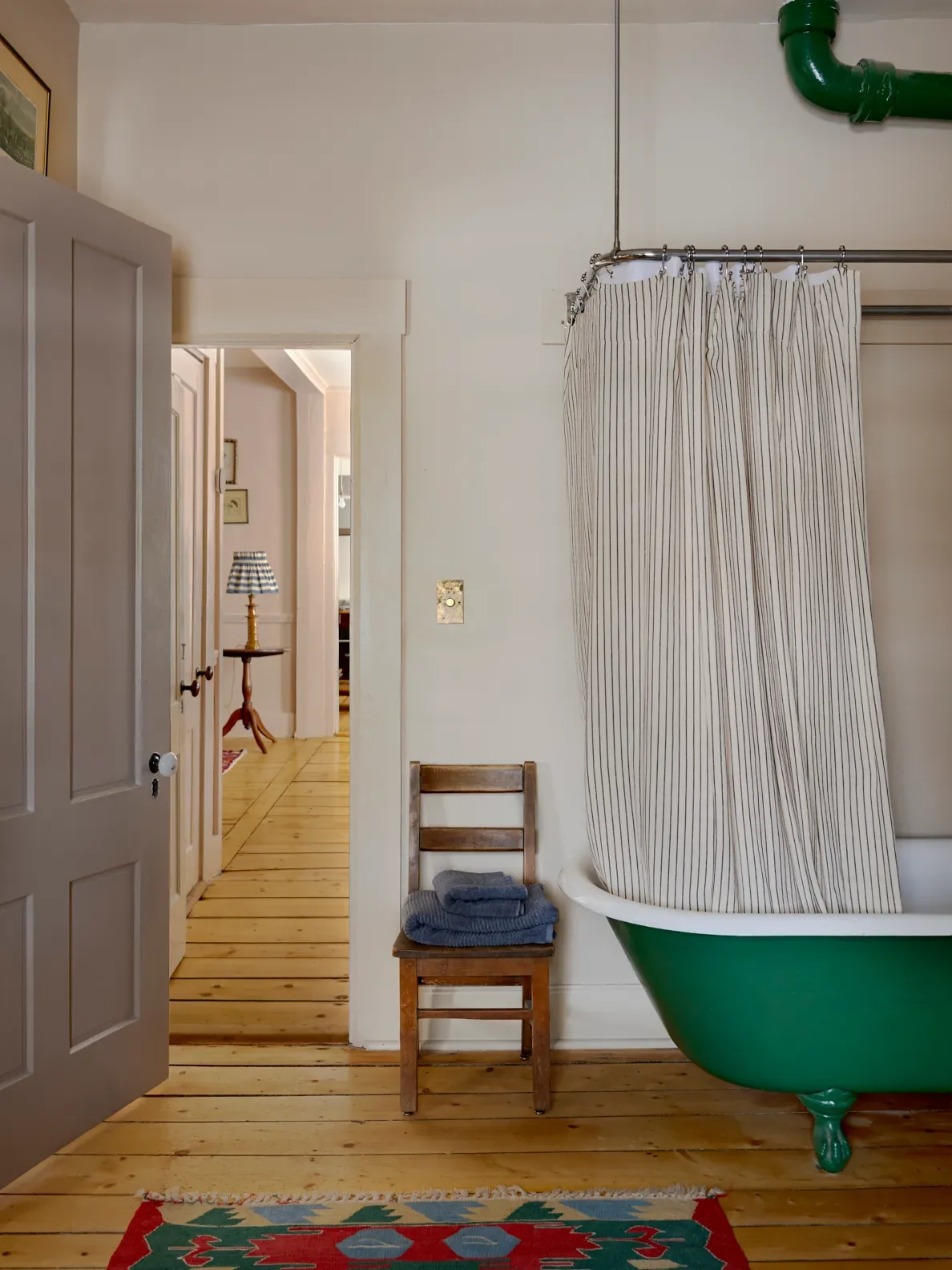
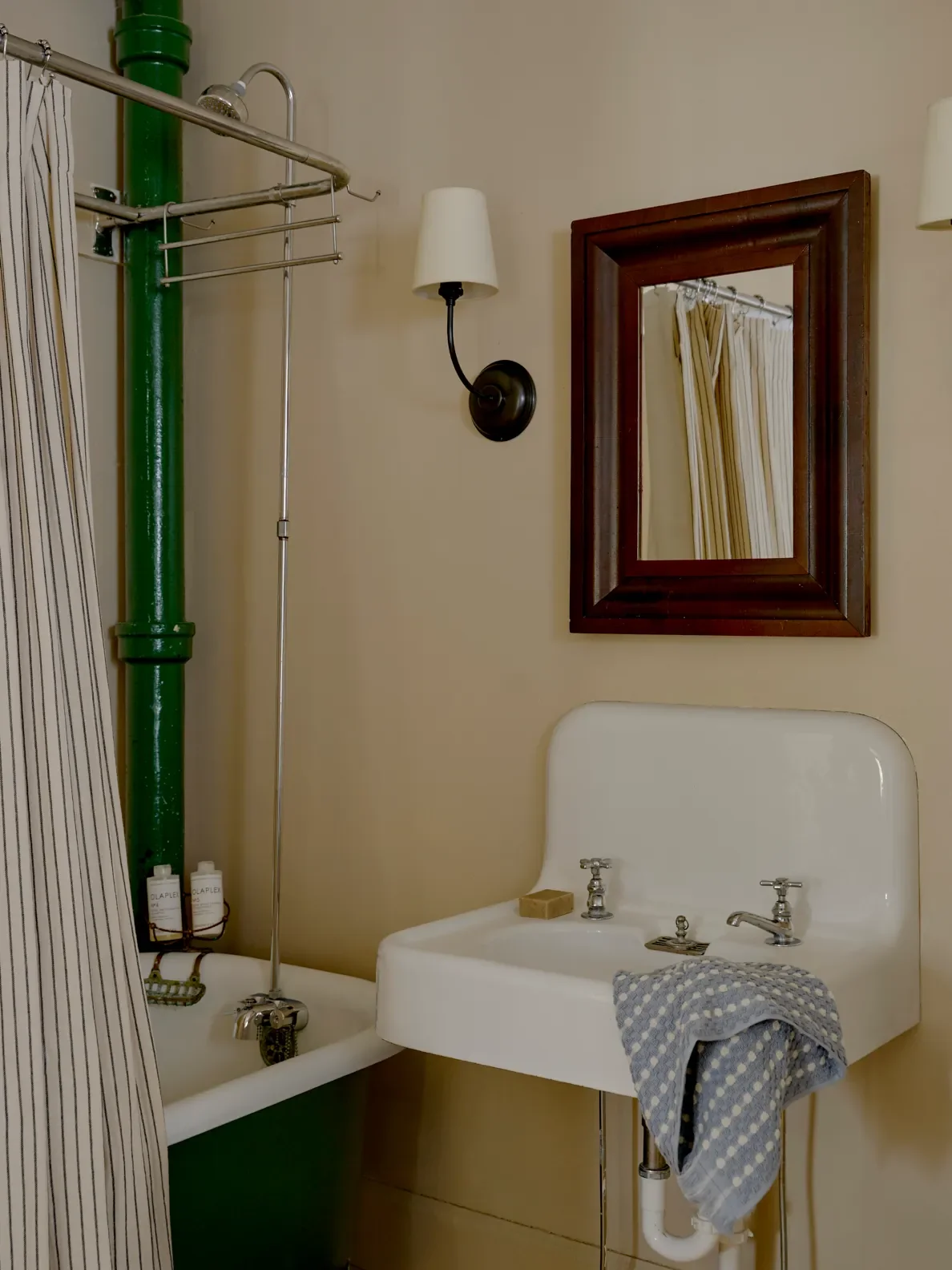
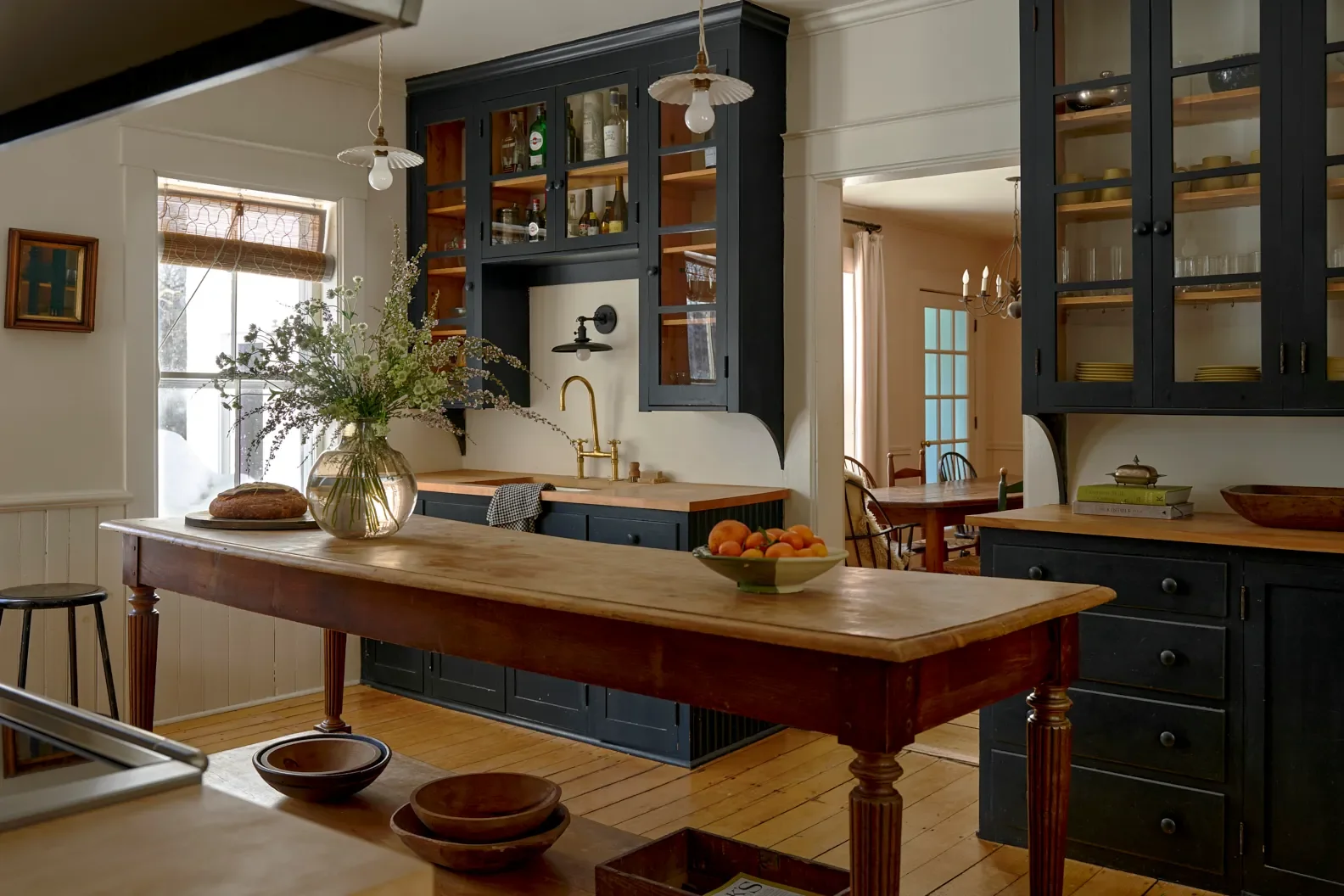
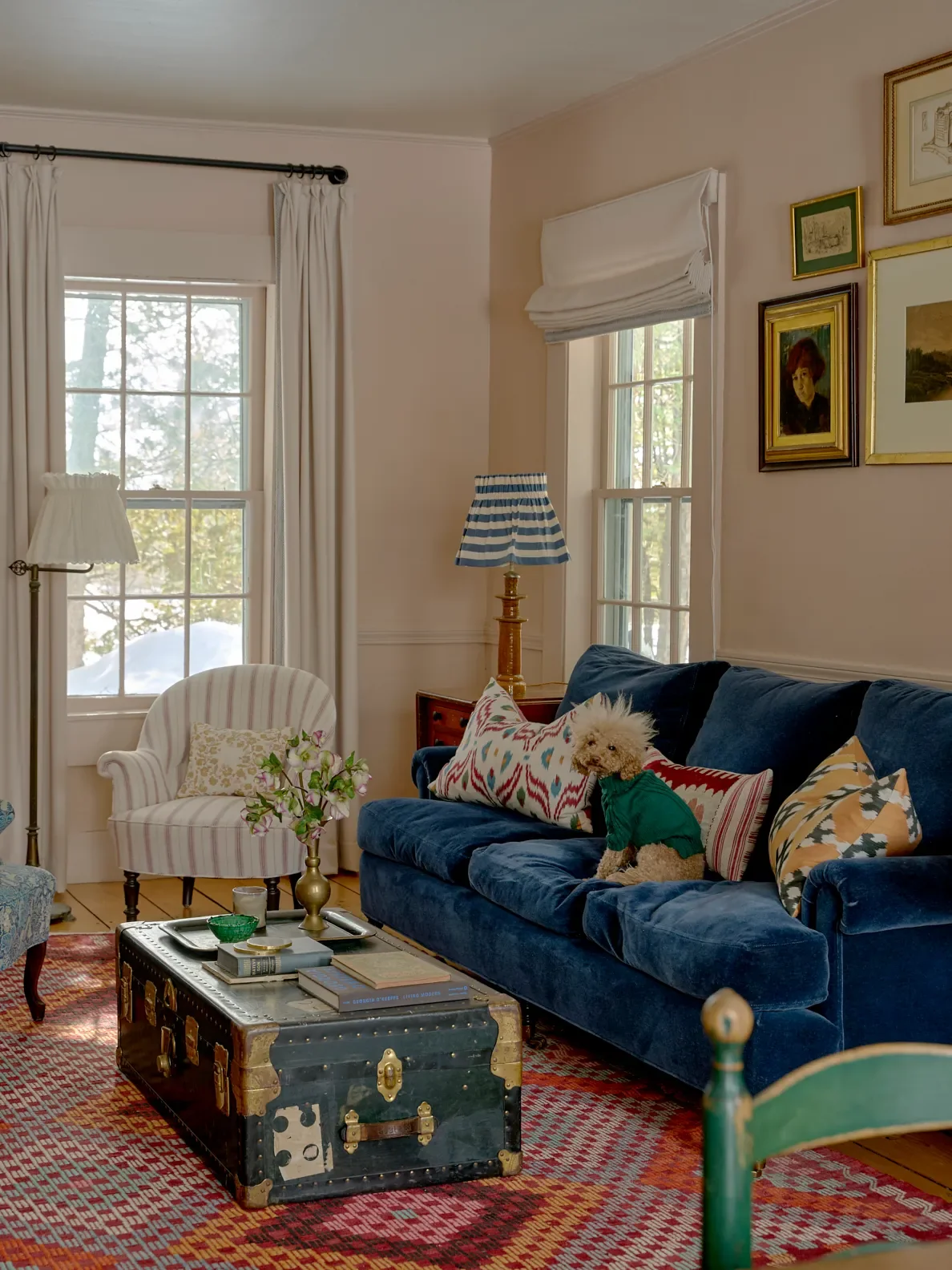
Not every room required a major facelift. A coat of black paint and an old dressmaker's table turned island was all the kitchen needed to shine. Functionally, the only necessary update was losing the beautiful Garland stovetop that Johnston describes as "a commercial kitchen gas monstrosity." (Every time it was turned on, the carbon monoxide detector went berserk—not exactly the ambiance you want.) The verdant freestanding tub and matching pipe in one of the guest bathrooms were also left as-is, working seamlessly with her palette preferences. "I really like the icky colors," admits Johnston, shades of pink and taupe that she defines as "kind of muddy and a little bit ugly, but somehow very comfortable and peaceful." Finally, someone who gets it.
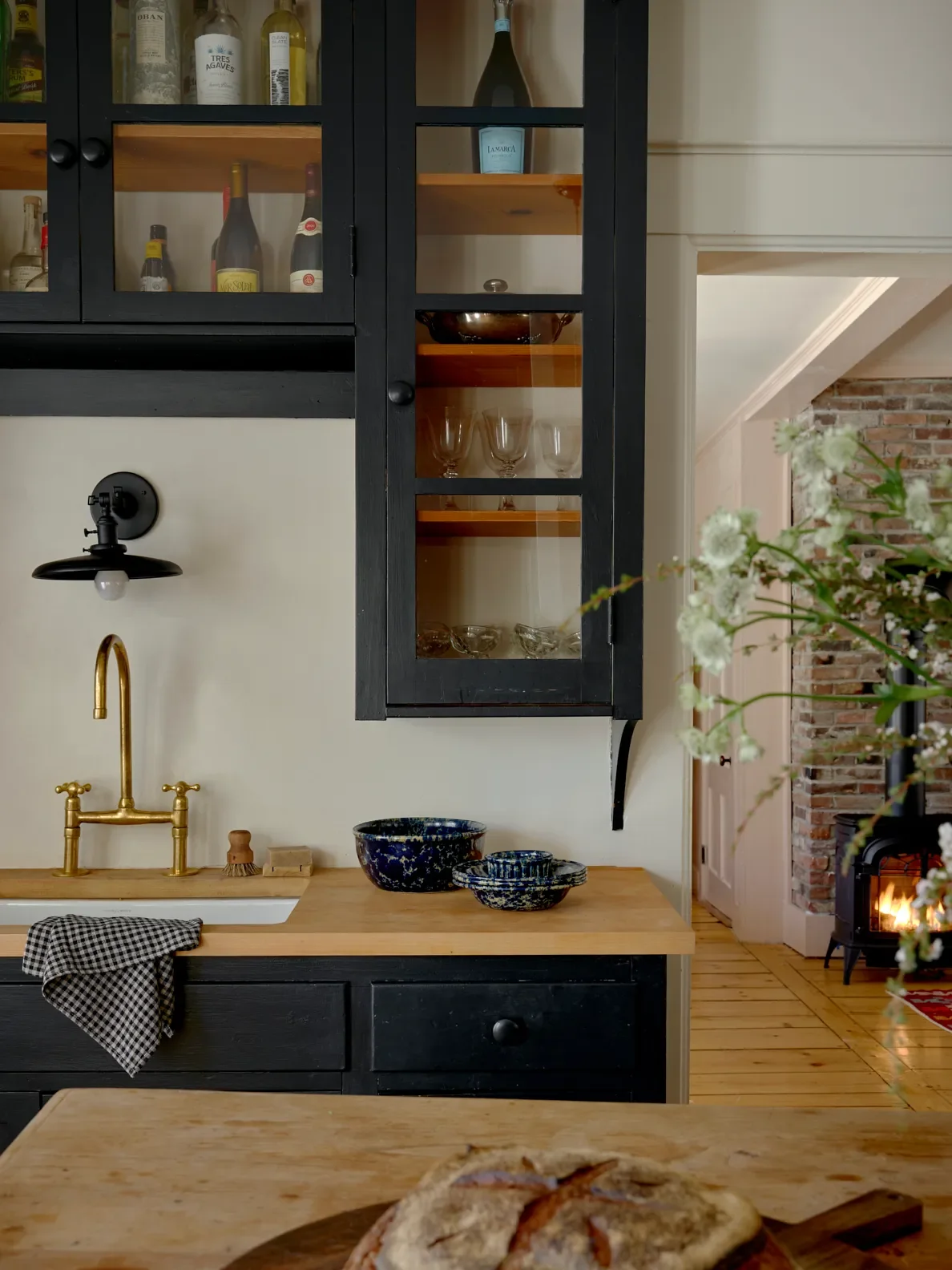
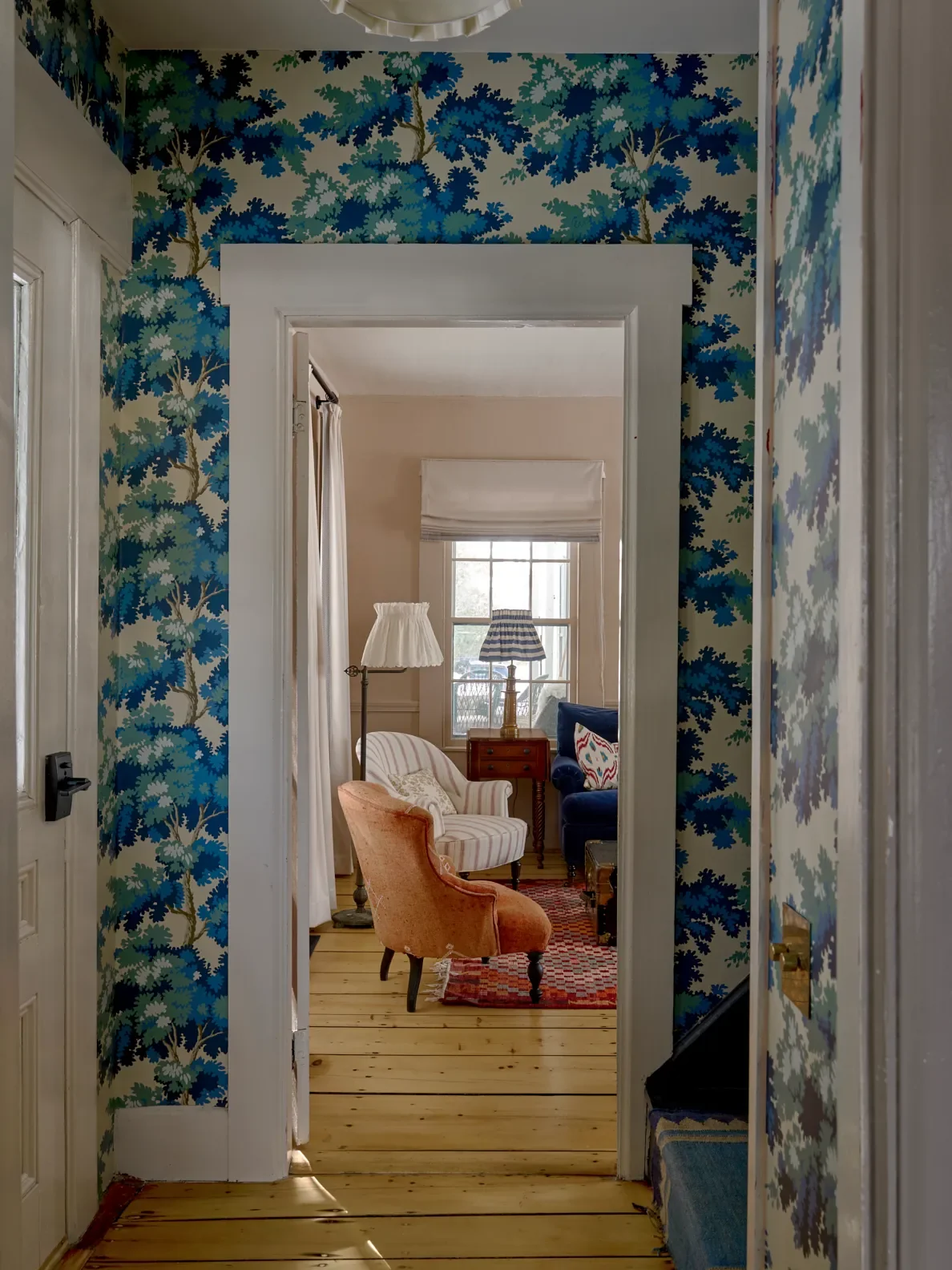
Decorating-wise, she took cues from old English homes and collected farmhouses—basically the vibe of someone who treats antiquing like an Olympic sport. “You have so much more that you can do—there’s flexibility, forgiveness, and character,” she says of setting up shop in a historic house. “And I love antiques. I love being able to incorporate what they left behind.” Ghost-approved decor, if you will.
Alyssa cut her teeth at Domino as a digital editor before becoming our first social media whisperer. She helped build Renovator's Notebook, then went on to Semihandmade and West Elm. Now she helps designers and furniture brands tell their stories. Bold color, vintage finds, and sustainable living are her love language.

Curious how we keep it real? Peek behind the curtain at Domino.com Editorial Standards.